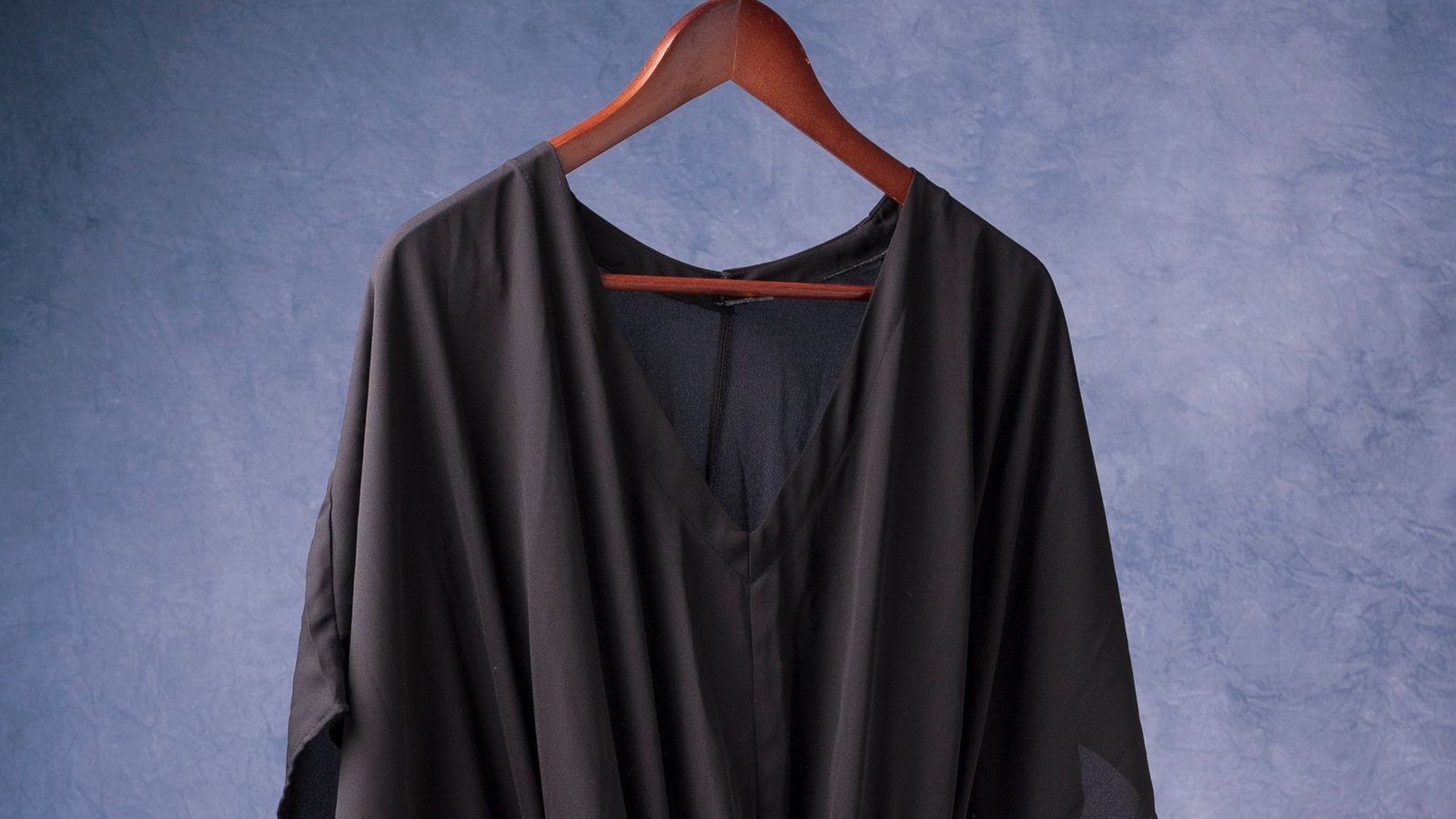
On 1 October 1926, American Vogue published a sketch of a long-sleeved black crépe de Chine sheath by Gabrielle “Coco” Chanel. The editors dubbed it the “Ford” — a dress they predicted “all the world will wear”, comparing its intended reach to Henry Ford’s ubiquitous Model T. That caption helped fix the little black dress (LBD) in the fashion vocabulary, even though Chanel was not the first designer to put women in simple black daywear.
Black before it was chic
For much of the nineteenth century, black clothing carried heavy social meaning. In Victorian Britain and Europe it was the colour of mourning, and by the later 1800s it was also widely required as a servant’s daytime uniform. The Atlantic has traced how that working wardrobe sat behind the later couture story: when Vogue called Chanel’s dress a “uniform for all women of taste”, many women already wore black as a mark of service rather than style. Chanel’s contribution was not inventing black cloth; it was helping shift the colour from mourning and domestic duty into everyday elegance. Rival Paul Poiret is often quoted as asking her, in the street, what she was mourning for — and Chanel retorting that it was for him.
Even within 1920s Paris, other houses had shown restrained black dresses. Icon-Icon notes that French Vogue had already illustrated a simple black look from the House of Premet as early as 1923. Chanel’s 1926 “Ford” nonetheless became the image the American press latched onto: calf-length, long sleeves, diagonal tucks, worn with a cloche and pearls in the famous illustration.
A blank canvas that keeps changing
Because the LBD is deliberately plain, every generation has redrawn it. BBC Culture’s Katya Foreman has called it both a Christmas-party default and a stubbornly revisited icon. Hubert de Givenchy’s slim black dress for Audrey Hepburn in Breakfast at Tiffany’s (1961) became one of cinema’s most recognisable evening silhouettes; a version of that gown later sold at Christie’s London in 2006 for £467,200 for charity. Later landmarks — from Yves Saint Laurent’s prim collar-and-cuffs look in Belle de Jour to Versace’s safety-pin dress in 1994 — show how the same idea can signal restraint or provocation depending on cut and moment.
What has stayed constant is the dress as a frame. A simple black line throws attention onto face, hands and jewellery: a single pair of emerald stud earrings, a vintage-leaning sapphire filigree ring, or a quietly colourful sapphire blossom halo can finish the look without competing with the fabric. Explore our earrings and sapphire rings if you are dressing a little black dress for evening or for everyday.
Sources: BBC Culture / Katya Foreman, “The Little Black Dress: Never out of style” (2014); Smithsonian Magazine, “Why Coco Chanel Created the Little Black Dress”; Icon-Icon, “The Birth of the Little Black Dress”; The Atlantic, “The Little Black Dress’s Lost Underclass Origins” (2017); American Vogue, 1 October 1926 (Chanel “Ford” illustration, via secondary reporting).