Blue sapphire has been a symbol of power, faith and romance for so long that it can seem as if its story never changed. In fact, some of the most important chapters in its history are surprisingly recent: a landslide in the Himalayas, a museum break-in in New York and a ring chosen from a jeweller’s catalogue in London.
A stone of heaven
The Gemological Institute of America (GIA) explains that the name comes from the Greek word sappheiros, which probably referred to lapis lazuli rather than the gem we know today. Belief in the stone ran deep. Rulers in ancient Greece and Rome thought blue sapphires protected their owners from envy and harm, medieval clergy wore them as a symbol of Heaven, and, according to GIA, ancient Persians believed the earth rested on a giant sapphire that coloured the sky blue. Today sapphire is the birthstone for September and the traditional gem for 5th and 45th wedding anniversaries.
The Kashmir landslide of 1881
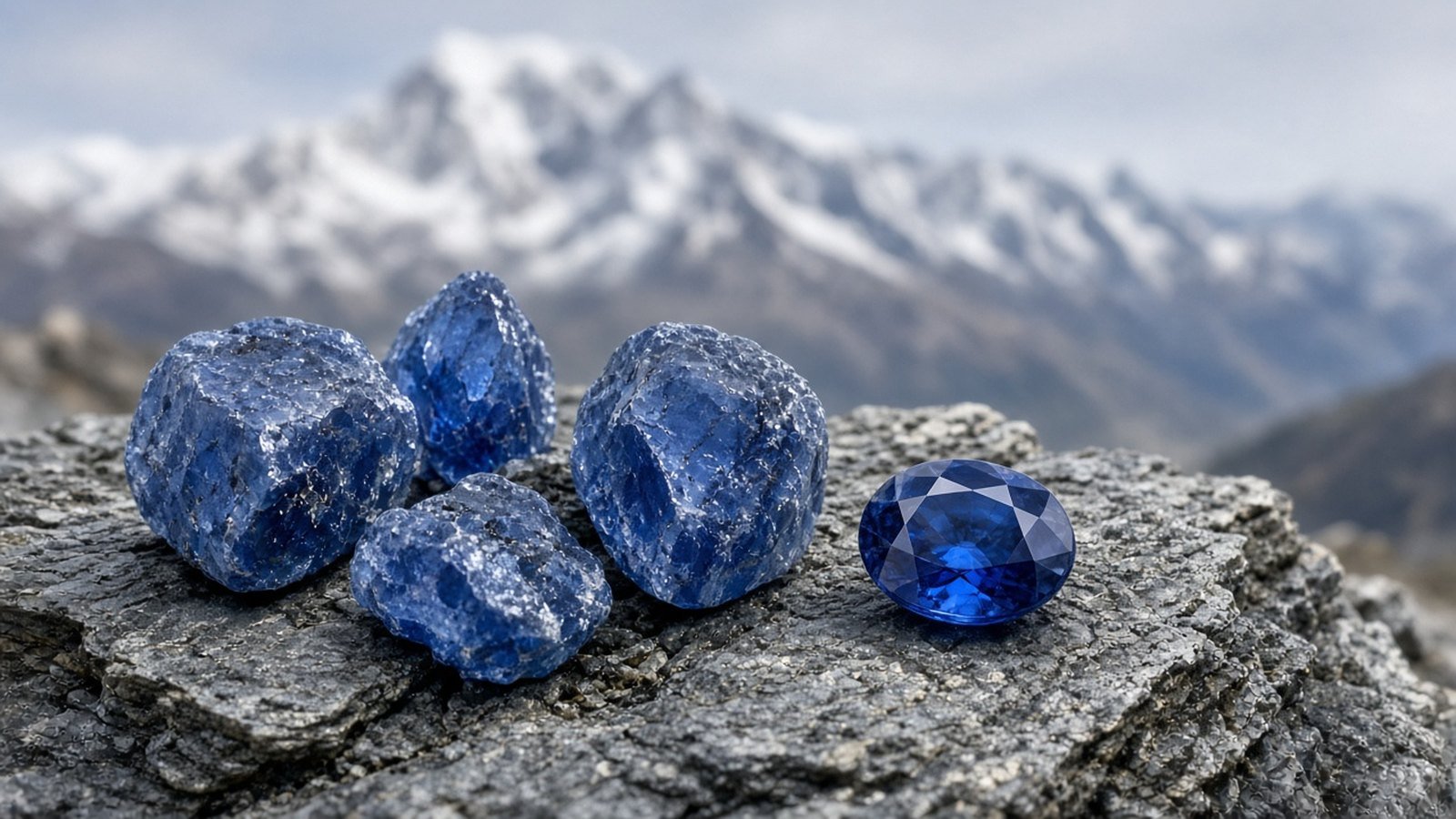
The most celebrated sapphires of all were found almost by accident. GIA records that around 1881 a landslide high in the Himalayas, near the village of Sumjam in the Paddar region of Kashmir, exposed a pocket of velvety, cornflower-blue crystals at about 4,600 metres. A study in GIA’s journal Gems & Gemology describes how local traders at first swapped the “blue stones” for salt, weight for weight, before experts in Simla recognised their value. The mines produced their finest stones only until about 1887, which is why Kashmir sapphires remain so rare and so prized at auction today.
A famous theft and a famous ring
The 563.35-carat Star of India, a star sapphire from Sri Lanka, is one of the largest known. As Smithsonian magazine recounts, it was stolen from the American Museum of Natural History in New York on 29 October 1964, when thieves climbed in through an open window. The gem was recovered in January 1965 from a bus-station locker in Miami and went back on display behind much tighter security.
Seventeen years later a sapphire made headlines for a happier reason. British Vogue reported that in 1981 Lady Diana Spencer chose an 18-carat white gold ring by Garrard, then the Crown Jewellers, set with a 12-carat oval Ceylon sapphire surrounded by 14 diamonds. It was unusual because anyone could order the same design from the catalogue. In 2010 Prince William gave the ring to Catherine Middleton when they became engaged, and the oval sapphire in a diamond halo has remained one of the most copied engagement styles ever since. You can see the same idea in our classic sapphire halo ring, while sapphire’s other colours appear in pieces such as the fancy sapphire halo ring. For more blue, browse our sapphire rings and sapphire earrings.
Sources: Gemological Institute of America (GIA), “Sapphire History and Lore”, “September Birthstones” and “Historical Reading List: Kashmir Sapphires”; Gems & Gemology (GIA), “Kashmir Sapphire” study; Smithsonian magazine, “How Three Amateur Jewel Thieves Made Off With New York’s Most Precious Gems”; British Vogue, “Royal Engagement Ring” (16 November 2010).